
pH meter
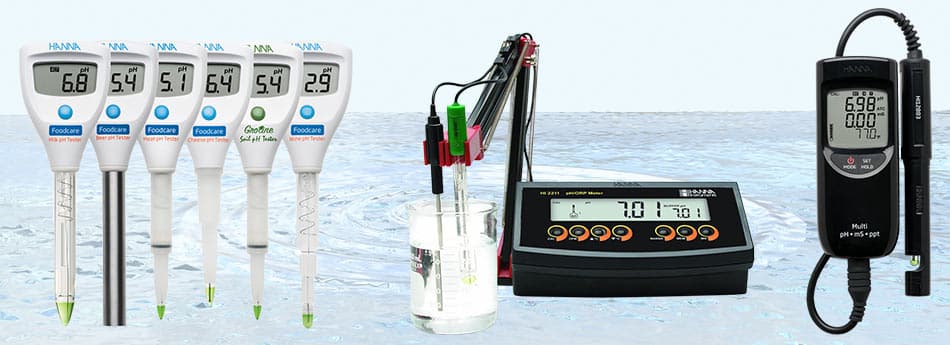
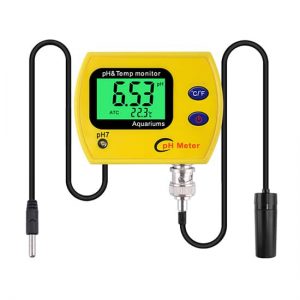
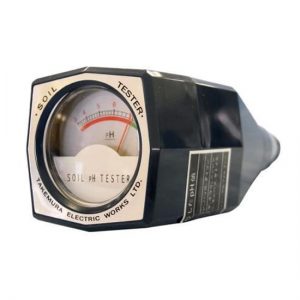
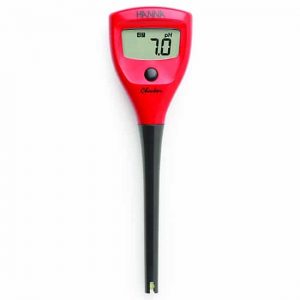
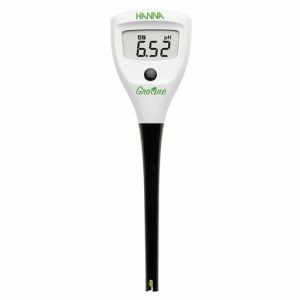
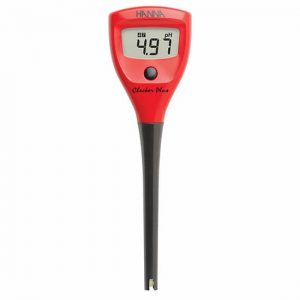
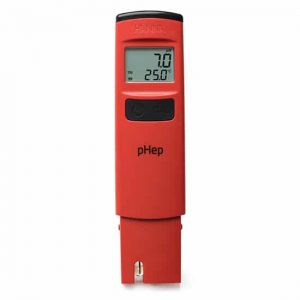
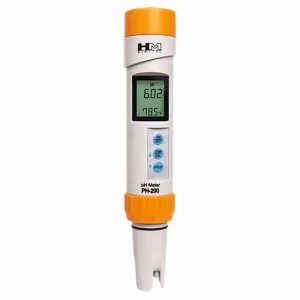
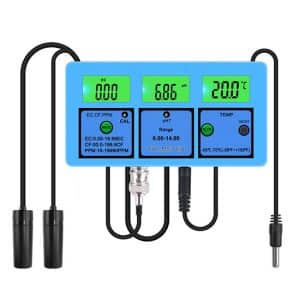
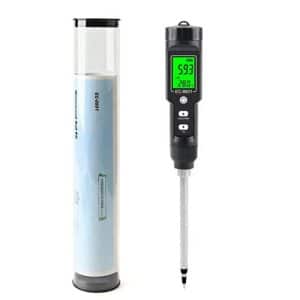
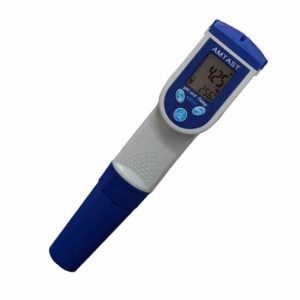
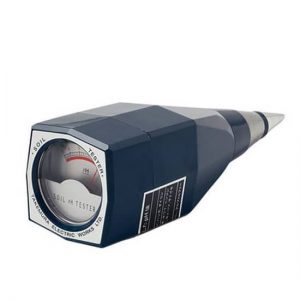
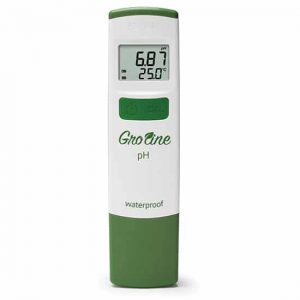
pH meter คือเครื่องมือที่ใช้ในการวัดความเป็นกรดหรือด่างของสารละลาย หรือเรียกอีกอย่างว่า pH มีสินค้าหลากหลายให้เลือกได้แก่แบบปากกา แบบตั้งโต๊ะ แบบใช้งานภาคสนาม
เครื่องวัดค่า pH meter เป็นอุปกรณ์ที่ใช้วัดความเป็นกรดหรือด่างของสารละลาย ค่า pH มีตั้งแต่ 0 ถึง 14 โดย 7 คือเป็นกลาง ค่าที่น้อยกว่า 7 หมายถึงความเป็นกรด และค่าที่มากกว่า 7 หมายถึงความเป็นด่าง
สินค้าคุณภาพสูง หลายรุ่นมีใบรับรอง Certificate of Calibration จากผู้ผลิต ติดต่อสอบถามได้ที่ บริษัท นีโอนิคส์ จำกัด โทร: 098-479-5684 หรือ 061-8268939 หรือ Line ID:@neonics หรือ Email: sale@tools.in.th
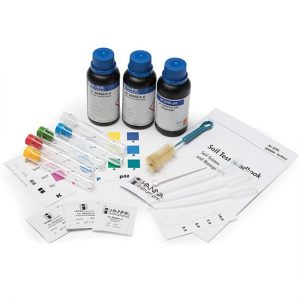
ทำความเข้าใจใน pH Meter
ค่าพีเอชหรือ pH คือการวัดความเป็นกรดหรือด่างของสารละลาย โดยค่า pH ให้ค่าในระดับจาก 0 ถึง 14 โดยที่ 7 มีความเป็นกลาง พีเอชน้อยกว่า 7 เป็นกรดและมากกว่า 7 เป็นด่าง (หรือเบส) ยิ่งค่าพีเอชเข้าใกล้ 0 มากขึ้นการสารละลายก็จะยิ่งเป็นกรดและยิ่งค่าพีเอชขยับไปที่ 14 สารละลายก็จะยิ่งเป็นด่างมากขึ้นเ
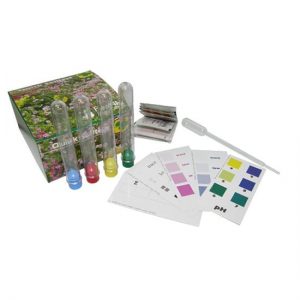
ค่า pH มักจะปรากฎในระดับสีกราฟิกดังที่แสดงด้านล่าง:
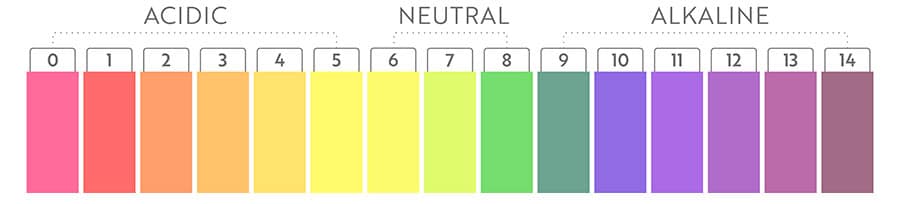
เมื่อพูดถึงน้ำค่า pH จะสัมพันธ์โดยตรงกับอัตราส่วนของไฮโดรเจนไอออนที่มีประจุบวก [H +] และไฮดรอกซิลไอออนที่มีประจุลบ [OH-]
- เมื่อน้ำมีความเข้มข้นเท่ากันของ H + ions และ OH- ions จะถูกกล่าวว่าเป็นกลาง (pH = 7)
- เมื่อน้ำมีความเข้มข้นของ H + ไอออนมากขึ้นจะถูกกล่าวว่าเป็นกรด (pH <7)
- เมื่อสารละลายมีความเข้มข้นของ OH- มากกว่าจะกล่าวว่าเป็นด่าง (pH> 7)
หลักการทำงานของ pH meter (Working principle)
เป็นเครื่องมือที่ใช้ในการวัดความเป็นกรดหรือด่างของสารละลายหรือที่เรียกว่าค่า pH โดย มีหลักการทำงาน pH meter วัดความแตกต่างของศักย์ไฟฟ้าระหว่างหัววัด pH และหัววัดอ้างอิง หรืออธิบายอย่างเข้าใจง่ายคือการวัดแรงดันไฟฟ้าหรือความแตกต่างของศักย์ไฟฟ้า (โดยวัดในหน่วยมิลลิโวลท์ mV) เกี่ยวข้องกับความเป็นกรดหรือ pH ของสารละลาย
เครื่องวัดนี้ถูกใช้ในการใช้งานหลายอย่างตั้งแต่การทดลองในห้องปฏิบัติการจนถึงโรงงานอุตสาหกรรม และการควบคุมคุณภาพสินค้า
ชนิดของ pH meter ที่ใช้ในอุตสาหกรรม
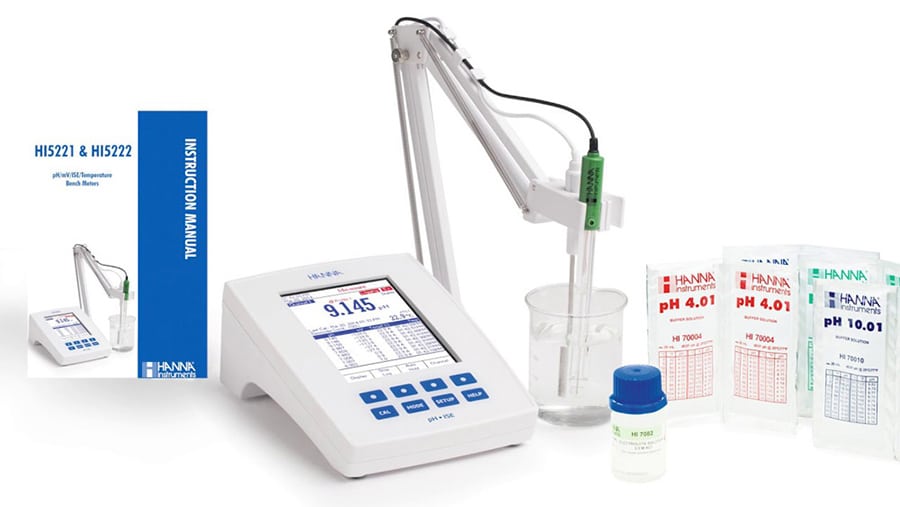
เครื่องวัด pH แบบตั้งโต๊ะ: เป็นเครื่องมืออิเล็กทรอนิกส์ที่ใช้ในการวัดความเป็นกรดและด่างของตัวอย่างของเหลวหรือกึ่งของแข็งในอุตสาหกรรมต่างๆ ที่มีการใช้งานในน้ำเสีย น้ำดื่ม อาหารและเครื่องดื่ม การทดสอบสารเคมีและยา
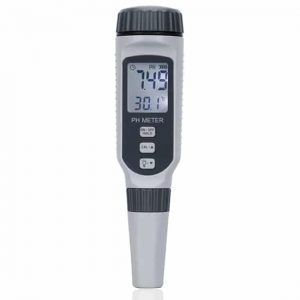
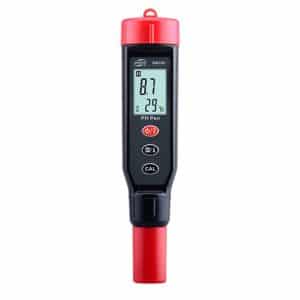
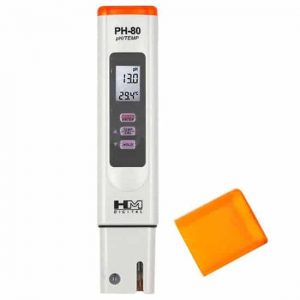
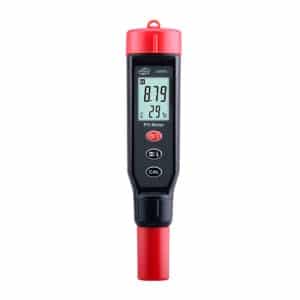
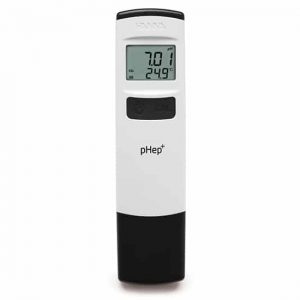
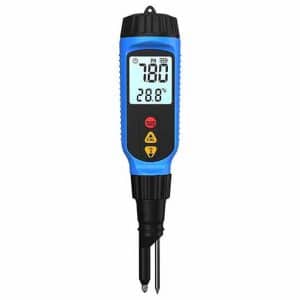
เครื่องวัด pH แบบปากกา: ออกแบบมาเพื่อให้เหมาะกับการใช้งานที่ง่าย มีขนาดเล็กพกพาสะดวก มีความสะดวกสบายในราคาต่ำสุด เครื่องวัดปากกาเหมาะสำหรับห้องปฏิบัติการในโรงเรียน มหาวิทยาลัย สระว่ายน้ำและพิพิธภัณฑ์สัตว์น้ำ ฯลฯ
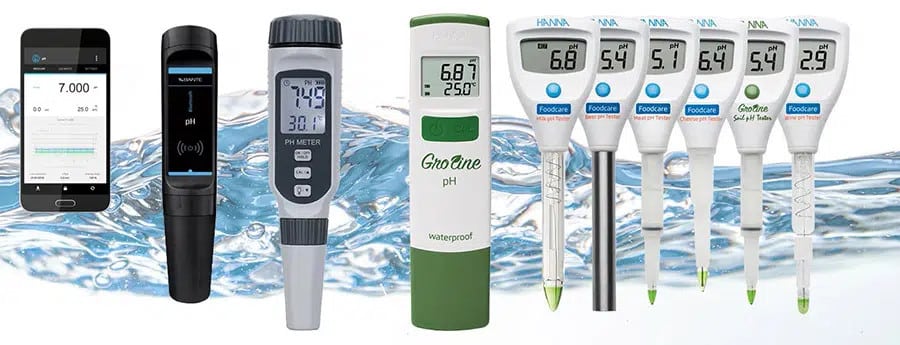
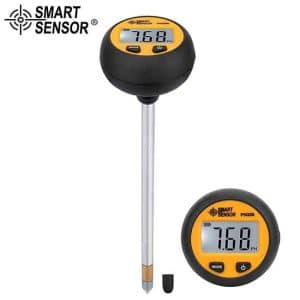
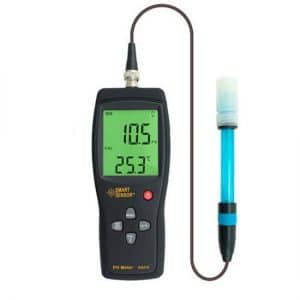
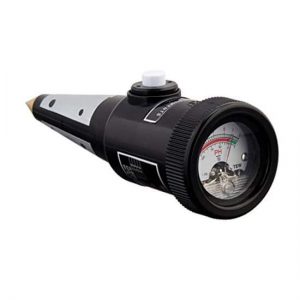
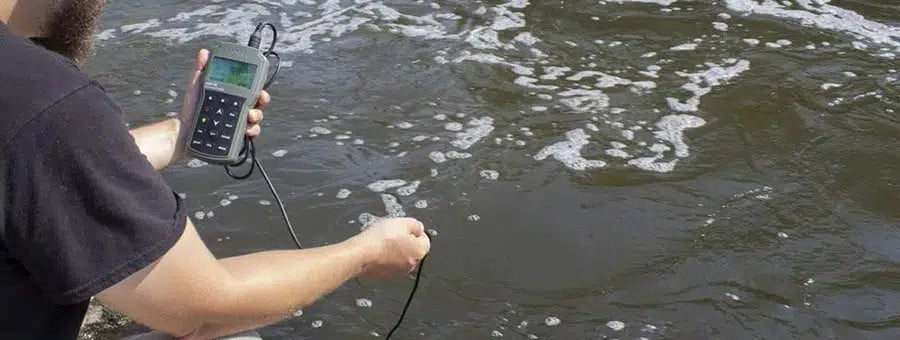
เครื่องวัด pH แบบมือถือแบบพกพา: พร้อมตัวประมวลผลที่รวดเร็วยิ่งขึ้นผลิตขึ้นเพื่อให้ใช้งานง่าย ทนทานเหมาะกับงานภาคสนามและแม่นยำเทียบเท่ากับแบบตั้งโต๊ะ เหมาะสำหรับการใช้งานที่หลากหลายเช่นการศึกษา การเกษตรและพืชสวน การวิเคราะห์น้ำเสียและสิ่งแวดล้อม
บทความที่เกี่ยวข้อง
กรดด่างคืออะไร
กรดแล[...]
ค่า slope pH meter
รู้จั[...]
pH meter คืออะไร
เครื่[...]
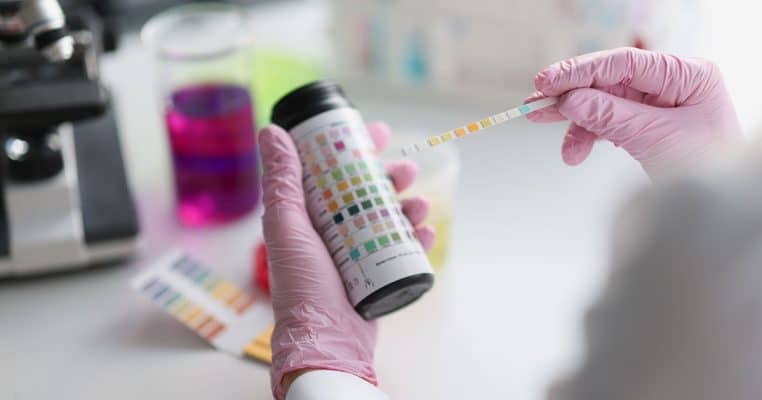
ค่า pH คืออะไร
ค่า p[...]
ค่า pH ของน้ำคืออะไร และความจำเป็นในการวัด
มาตรฐ[...]
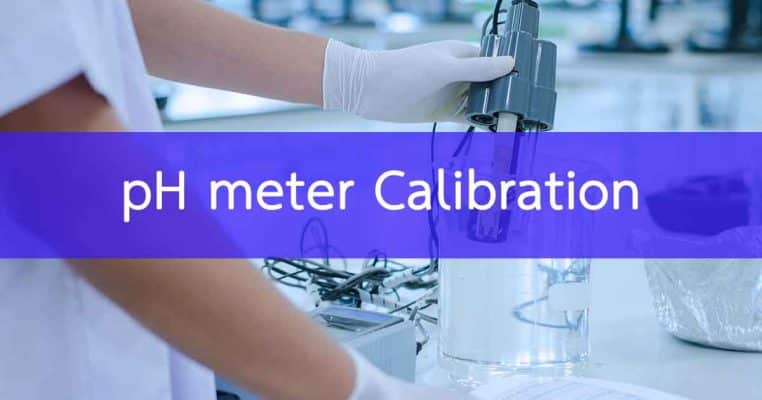
การ Calibrate pH meter
การสอ[...]
สอบถามข้อมูล สั่งซื้อ ขอใบเสนอราคา